Job Sites in Northeast Asia: 13 Boards Across Five Markets

Four scenes of job hunting in Taipei, Japan, Hong Kong and Seoul, from job fairs to an employment office counter

Most hiring in Northeast Asia runs through national boards written in the local language, and the sites built for foreign applicants carry a small fraction of their listings. BOSS Zhipin in China averaged 70.2 million monthly active users in the second quarter of 2026, while Saramin and JobKorea, South Korea’s two largest boards, are Korean-only … Read more

EU Talent Pool: How It Works for Non-EU Jobseekers

Diploma assessment across three nations

The EU Talent Pool is a free online platform, built and run by the European Commission, that will match employers in participating EU countries with non-EU citizens who live outside the EU and work in one of 42 shortage occupations, from nurses and software developers to welders, cooks and lorry drivers. The regulation behind it … Read more

Japan’s 2027 Foreign Worker Routes: Caps, Tests, Transfers

Japanese Factory Food Line

Japan’s Employment for Skill Development (ESD) program is scheduled to start on 1 April 2027, replacing the Technical Intern Training Program with a three-year route into the Specified Skilled Worker (SSW) visa. The government announced on 23 January 2026 that it will accept up to 1,231,900 foreign workers through the end of fiscal 2028, which ends in … Read more

Asian Countries That Let International Graduates Stay to Job-hunt

Four daytime scenes of graduates and city streets in Japan, Hong Kong, Taiwan and Singapore

Five Asian jurisdictions run a formal route that lets a recent graduate stay on to look for work: South Korea, Japan, Taiwan, Hong Kong and Singapore. They differ on three points that matter more than the headline length of stay: whether the graduate may work during the search, whether the degree has to come from … Read more

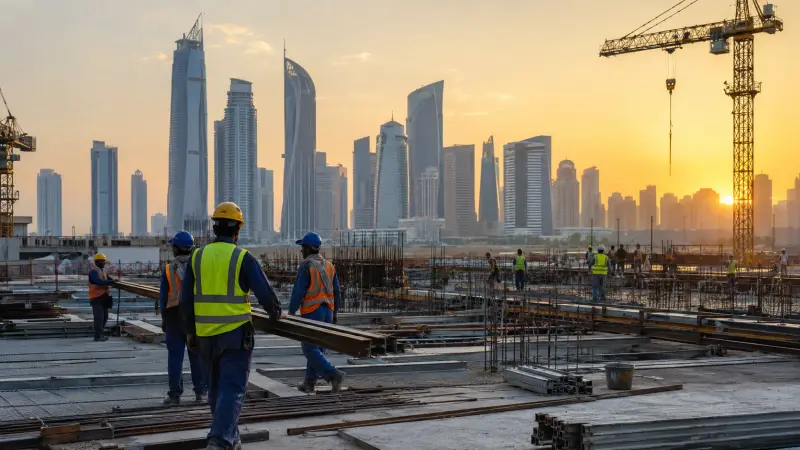
Working in the Gulf After Kafala: What the New Rules Actually Give You

For more than seventy years, a foreign worker’s legal status in Saudi Arabia was tied directly to a single employer, the kafeel, who controlled whether that worker could change jobs, leave the country, or even hold onto their own passport. That system, known as Kafala, was formally replaced in June 2025 with a contract-based employment … Read more